
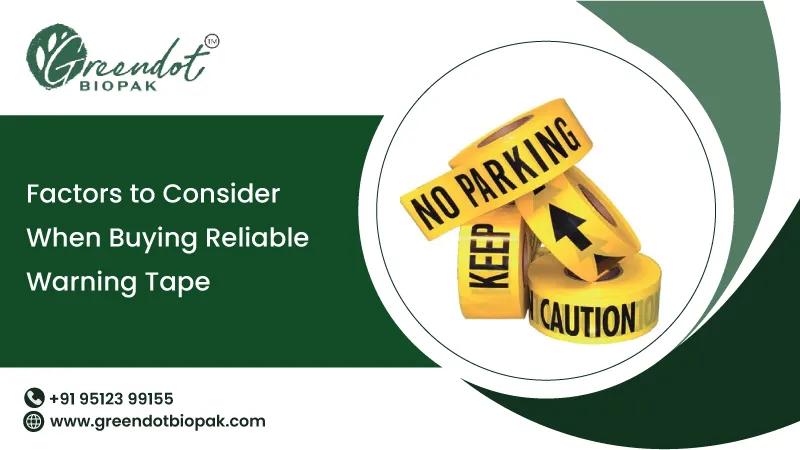
In industrial, commercial, and public safety environments, warning tape plays a vital role in preventing accidents, guiding movement, and communicating risk clearly. From construction zones and warehouses to utility lines and restricted areas, the right warning tape can reduce confusion and support compliance with safety practices. However, not all warning tapes offer the same performance, visibility, or durability. Selecting the right product requires a clear understanding of materials, application needs, regulatory expectations, and supplier credibility.
Understanding the Purpose of Warning Tape
Before evaluating specific products, it is important to understand why warning tape is used. Warning tape is a visual communication tool designed to alert people to hazards, restricted zones, buried utilities, or areas requiring caution. The tape acts as a first line of warning, often preventing entry into unsafe spaces or guiding people away from danger. Different environments demand different types of warning tapes. Indoor settings may require lightweight, easy-to-apply tapes, while outdoor or underground applications call for stronger materials that can tolerate weather, moisture, and pressure. Understanding the exact purpose helps narrow down choices and avoids buying a tape that fails prematurely. For buyers comparing options from Warning Tape Manufacturers in India, clarity on usage becomes the foundation for every other decision.
Material Quality and Composition
Material selection directly influences the durability and performance of warning tape. Most warning tapes are manufactured using polyethylene, polypropylene, or PVC-based materials. Each has distinct characteristics related to strength, flexibility, and resistance. High-quality polyethylene tapes are commonly used for underground warning applications because they offer good resistance to moisture and chemicals. PVC tapes, on the other hand, are often chosen for surface marking due to their flexibility and strong color retention. When reviewing options from Warning Tape Manufacturers in India, buyers should check material thickness, tensile strength, and resistance properties. A reliable warning tape should retain its shape, color, and legibility under expected conditions. Poor-quality materials may tear easily or fade, reducing safety effectiveness over time.
Visibility and Color Contrast
The primary function of warning tape is visibility. Bright colors, sharp contrast, and clear messaging help people identify hazards quickly. Common color combinations include red and white, yellow and black, and orange and white. Each combination serves a different safety purpose depending on the environment. High visibility is especially critical in low-light areas, crowded workspaces, and outdoor locations exposed to dust or debris. The printing quality should remain readable even after prolonged exposure. Buyers evaluating products from Warning Tape Manufacturers in India should review color consistency and print clarity. A tape that loses contrast or becomes dull reduces its ability to communicate risk effectively.
Adhesive Strength and Application Method
For surface warning tapes, adhesive performance plays a major role. The adhesive must bond well to surfaces such as concrete, metal, tiles, or painted floors. Weak adhesion can cause peeling, curling, or frequent replacement, increasing maintenance effort. Some warning tapes are designed for temporary use, while others are meant for long-term application. Buyers should match adhesive strength with intended usage. For example, industrial floors with heavy foot traffic require stronger adhesive backing than temporary event zones. Reputable Warning Tape Manufacturers in India usually specify adhesive type, recommended surfaces, and removal behavior. This information helps buyers select a tape that performs consistently without damaging surfaces.
Environmental Resistance and Durability
Warning tape is often exposed to challenging conditions. Outdoor tapes face sunlight, rain, temperature fluctuations, and soil pressure. Indoor industrial tapes may encounter oil, chemicals, or abrasion from machinery. Durability under these conditions determines how long the tape remains effective. UV resistance helps prevent fading, while moisture resistance supports underground and outdoor applications. Chemical resistance becomes essential in factories and processing units. When comparing products from Warning Tape Manufacturers in India, buyers should look for clear information about environmental tolerance. A durable tape supports safety goals while reducing the need for frequent replacement.
Compliance with Safety Standards
Safety communication often falls under local or industry-specific guidelines. While requirements vary by sector, warning tapes should align with commonly accepted safety practices. Standardized color coding and clear text improve universal understanding among workers and visitors. Although not all applications demand formal certification, consistency with established norms adds credibility and reliability. Buyers should check whether the manufacturer follows recognized quality and safety processes during production. Trusted Warning Tape Manufacturers in India typically maintain documented quality control systems, which supports consistent product output and dependable performance.
Application-Specific Customization
Different industries require different messages. Some warning tapes carry generic caution markings, while others display specific text such as “Caution,” “Danger,” or “Underground Cable.” Custom printing allows businesses to communicate precise warnings relevant to their operations. Customization may include color choice, text language, width, thickness, and roll length. This flexibility helps align safety messaging with operational needs. When working with Warning Tape Manufacturers in India, buyers should evaluate customization capabilities and lead times. A supplier who supports tailored solutions can add long-term value for businesses with evolving safety requirements.
Ease of Handling and Installation
A good warning tape should be easy to handle, cut, and apply. Stiff or poorly wound rolls can slow down installation and cause uneven application. Clean edges and smooth unwinding support faster work and better finish. For large facilities or infrastructure projects, ease of installation translates into time savings and reduced labor effort. Lightweight yet strong materials often provide the right balance between handling comfort and performance. Experienced Warning Tape Manufacturers in India usually design products with practical installation in mind, making them suitable for both skilled and general workers.
Why Choose Us
Greendot Biopak stands out for its focused approach to safety packaging solutions and warning tapes. The company emphasizes material quality, clear visibility, and application-specific design to support real workplace needs. Greendot Biopak follows structured production practices, offers reliable customization options, and maintains consistency across product batches. By understanding diverse industry requirements, Greendot Biopak delivers warning tapes that support safety communication without unnecessary complexity. Businesses working with Greendot Biopak benefit from a supplier that values clarity, durability, and practical performance across varied environments.
Conclusion
Choosing reliable warning tape requires thoughtful evaluation of material quality, visibility, durability, and supplier credibility. The right tape supports safety communication, reduces risk, and adds long-term value across industrial and public environments. Buyers should match product features with application needs rather than focusing only on price. Working with experienced suppliers improves consistency and performance outcomes. Greendot Biopak continues to support safety-focused businesses by offering dependable warning tape solutions aligned with practical usage requirements and quality-driven manufacturing standards. A well-chosen warning tape strengthens safety culture and operational clarity.
For expert guidance on warning tape Call +91 95123 99155 or email info@greendotbiopak.com
Key Takeaways
- Purpose and application determine the right warning tape. Understanding where and how the tape will be used—indoor, outdoor, underground, temporary, or permanent—is the foundation for selecting the correct warning tape.
- Material quality directly affects durability and performance. High-quality materials such as polyethylene, PVC, or polypropylene ensure resistance to moisture, chemicals, tearing, and fading under real-world conditions.
- Visibility and clear contrast are critical for safety communication. Bright colors, strong contrast, and legible printing help warning tape communicate hazards quickly and effectively, even in low-light or high-traffic areas.
- Adhesive strength and environmental resistance matter. Reliable warning tape must adhere well to intended surfaces and withstand exposure to sunlight, moisture, abrasion, or chemicals without peeling or fading.
- Supplier reliability adds long-term value. Working with experienced manufacturers like Greendot Biopak ensures consistent quality, customization options, and dependable performance beyond just initial cost.