
Healthcare environments generate a wide range of waste every day, from general non-risk materials to highly infectious and hazardous waste. Among all waste categories, biomedical waste requires the highest level of care, precision, and responsibility. Proper handling, segregation, storage, and disposal are critical not only for regulatory compliance but also for protecting healthcare workers, patients, waste handlers, and the environment. One of the most vital tools in this process is Medical Bio Hazard Waste Bags, which act as the first line of defense in biomedical waste management.
Understanding Medical Biohazard Waste in Healthcare
Medical biohazard waste refers to waste materials generated during medical, diagnostic, therapeutic, immunization, or research activities that may contain infectious agents. This includes used gloves, dressings, swabs, blood-soaked materials, laboratory cultures, sharp contaminated items, and other potentially infectious substances. If such waste is not managed correctly, it can lead to serious consequences such as the spread of infections, occupational injuries, environmental contamination, and legal penalties. Medical Bio Hazard Waste Bags play a critical role by enabling safe segregation and containment right at the point of waste generation. Healthcare facilities such as hospitals, clinics, diagnostic laboratories, blood banks, dental practices, veterinary hospitals, and research institutions rely heavily on standardized waste bags to maintain safety and hygiene standards.
Role of Medical Bio Hazard Waste Bags in Infection Control
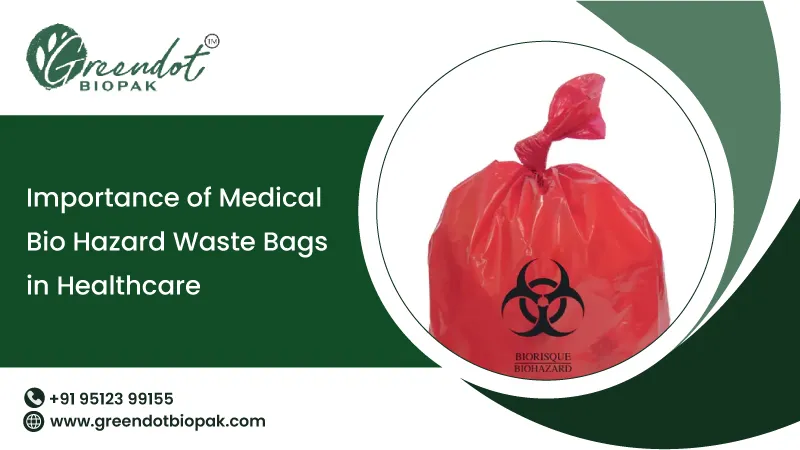
Infection control is a top priority in healthcare. Improper disposal of biomedical waste increases the risk of hospital-acquired infections and cross-contamination. Medical Bio Hazard Waste Bags are designed to securely contain infectious waste, preventing leakage, spillage, and accidental exposure. By using color-coded and clearly labeled bags, healthcare staff can immediately identify hazardous waste and handle it with appropriate precautions. This systematic approach minimizes direct contact with contaminated materials and supports safer working conditions. When biomedical waste is collected in suitable bags, downstream processes such as transportation, storage, and treatment also become safer. This reduces exposure risks for sanitation workers and external waste handlers, creating a safer healthcare ecosystem.
Importance of Proper Waste Segregation
Waste segregation is the foundation of effective biomedical waste management. Mixing hazardous waste with general waste increases disposal risks and costs. Medical Bio Hazard Waste Bags support proper segregation by allowing healthcare facilities to separate infectious waste at the source.
Segregation helps in:
- Minimizing the amount of hazardous waste that must be treated specially.
- Lowering overall disposal costs
- Improving compliance with biomedical waste regulations
- Enhancing efficiency in waste treatment processes
Clear segregation using dedicated bags also supports audits, inspections, and internal quality control systems within healthcare organizations.
Compliance with Biomedical Waste Management Regulations
The management of waste in healthcare is controlled by intense regulations and guidelines that are passed by the regulatory authorities. Failure to comply may lead to fines, loss of license or even tarnished reputation. Medical Bio Hazard Waste Bags are produced according to the requirements of prescription in the aspects of thickness, strength, label, and color coding. The adoption of compliant waste bags will show that a healthcare facility is concerned about regulatory compliance and responsible activities. It also makes documentation and reporting needs easy when it comes to inspections.
Material Strength and Safety Features
Biomedical waste bags should be in a condition to have support of heavy loads, sharp edges and wet waste without being torn or leaked. The Medical Bio Hazard Waste Bags are produced in tough materials that are puncture resistant and have a good seal. Powerful bags minimize the chances of accidental exposure due to bursts when handling or transportation. Stable closure systems also deter access or scavenging by unauthorized people which forms a major issue in biomedical waste disposal. Quality of bags ensures continuity of business activities in stressful health care conditions where safety is not the order of the day.
Environmental Responsibility in Healthcare Waste Management
There is a direct correlation between healthcare waste management and the environment. Poor disposal may pollute soil, water bodies and air. Medical Bio Hazard Waste Bags of high quality assist in the responsible waste management and controlled disposal using the approved treatment methods like incineration or other acceptable treatment methods. Through the application of standardized waste bags, the healthcare facilities help in reducing the environmental risks that are related to biomedical waste. The overall objectives of environmental protection and human health include sustainable waste disposal.
Importance in Diagnostic Laboratories and Research Centers
Laboratories and research facilities generate highly sensitive biomedical waste, including cultures, samples, and testing materials. Proper disposal is non-negotiable in these settings. Medical Bio Hazard Waste Bags support safe handling of laboratory waste and help prevent accidental contamination. In research environments, waste management also supports data integrity and ethical standards. Secure waste containment prevents unauthorized access to sensitive materials and supports controlled disposal protocols.
Supporting Public Health and Community Safety
Biomedical waste does not remain confined within healthcare facilities if improperly managed. It can pose risks to the surrounding community. Medical Bio Hazard Waste Bags help contain hazardous materials and support safe transport to treatment facilities. By reducing the risk of environmental contamination and accidental exposure, proper waste bag usage supports public health protection. Communities near healthcare facilities benefit from organized waste management practices that reduce health hazards. Healthcare providers play a key role in safeguarding not only patients but also the wider population through responsible waste handling.
Why Choose Us
Greendot Biopak stands out as a trusted provider of healthcare waste management products by focusing on quality, reliability, and industry-specific requirements. The company understands the challenges healthcare facilities face and delivers Medical Bio Hazard Waste Bags that support safety, compliance, and operational efficiency. With a strong commitment to consistent product standards and customer-focused solutions, Greendot Biopak helps hospitals, clinics, and laboratories maintain effective biomedical waste management practices while supporting long-term healthcare goals.
Conclusion
The importance of Medical Bio Hazard Waste Bags in healthcare cannot be overstated. They form the backbone of safe biomedical waste management by supporting segregation, infection control, regulatory compliance, and environmental protection. From hospitals and clinics to laboratories and research centers, proper waste bags reduce risks for healthcare workers, patients, and the community. By adopting high-quality waste management solutions, healthcare facilities strengthen safety standards and operational efficiency. Greendot Biopak continues to support the healthcare sector with dependable products that contribute to safer and more organized waste management systems across diverse medical environments.
Learn more about the importance of Medical Bio Hazard Waste Bags Call +91 95123 99155 or email info@greendotbiopak.com
Key Takeaways
- Medical biohazard waste bags are essential for infection control. They securely contain infectious and hazardous waste, reducing the risk of cross-contamination, hospital-acquired infections, and accidental exposure.
- Proper waste segregation starts at the source. Medical Bio Hazard Waste Bags enable clear segregation of biomedical waste, improving safety, lowering disposal costs, and supporting efficient waste treatment.
- They support regulatory compliance and accountability. Using standardized, compliant waste bags helps healthcare facilities meet biomedical waste management regulations and simplifies audits and inspections.
- High-quality bags protect healthcare workers and the environment. Strong, leak-resistant materials reduce occupational risks and prevent environmental contamination during handling, transport, and disposal.
- Reliable suppliers strengthen healthcare operations. Trusted providers like Greendot Biopak deliver consistent, high-quality waste bags that support safety, operational efficiency, and long-term healthcare sustainability.