
Key Takeaways
- Medical Bio Hazard Waste Bags are essential for the safe handling of biomedical waste in healthcare facilities.
- Using color-coded Medical Bio Hazard Waste Bags enhances compliance with waste management regulations and improves safety.
- Proper use of Medical Bio Hazard Waste Bags minimizes the risk of accidental exposure and cross-contamination.
- Selecting high-quality Medical Bio Hazard Waste Bags ensures durability and leak resistance during waste collection.
- Training staff on the proper use of biohazard bags is crucial for effective waste management practices.
Healthcare facilities generate different types of waste every day, including used medical supplies, contaminated materials, laboratory waste, and other biomedical waste. Proper collection and management of such waste play an important role in maintaining hygiene, protecting healthcare workers, and supporting safe disposal practices. Selecting the right waste collection solution is an essential step in medical waste management.
Medical Bio Hazard Waste Bags are specially designed for the collection and handling of biomedical waste generated in hospitals, clinics, laboratories, diagnostic centers, and other healthcare environments. These bags help separate hazardous waste from regular waste streams and support organized waste management systems. Greendot Biopak provides reliable packaging solutions designed to meet the requirements of healthcare and medical industries. With a focus on quality manufacturing and practical waste management needs, the company offers solutions that help organizations manage medical waste collection effectively.
What Are Medical Bio Hazard Waste Bags?
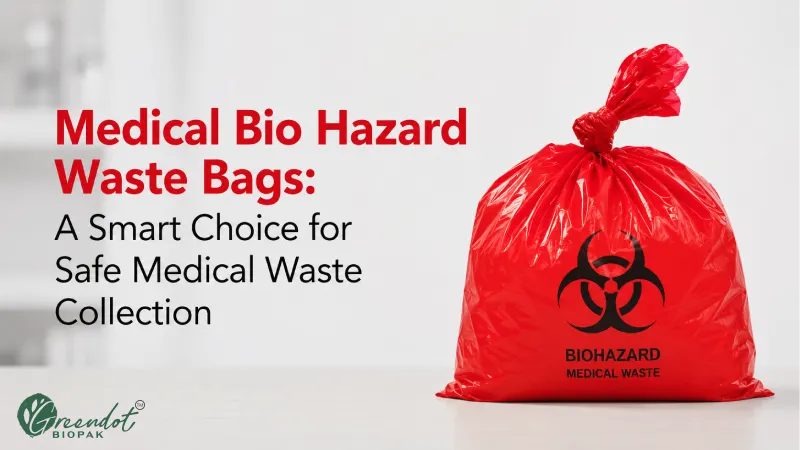
Medical Bio Hazard Waste Bags are specialized bags designed for the safe containment and disposal of potentially infectious or hazardous materials generated in healthcare settings. Unlike ordinary garbage bags, these are built to isolate biohazardous waste such as used needles, blood-soaked materials, contaminated dressings, and other infectious substances so they never come into direct contact with staff, patients, or the environment.
These bags are typically color-coded, with red or orange being the most widely used shades, allowing hospital staff to instantly identify the type of waste inside without opening the bag. They are manufactured from durable materials that resist leakage and tearing, and they are printed with biohazard symbols and warnings so that everyone handling them understands the risk involved. When a facility uses proper Medical Bio Hazard Waste Bags, it reduces the chances of accidental exposure, cross-contamination, and non-compliance with waste management regulations.
Why Healthcare Facilities Need These Bags
Every hospital, diagnostic lab, veterinary clinic, and nursing home deals with waste that carries a certain level of biological risk. Without a dedicated system in place, this waste can easily get mixed with regular trash, exposing sanitation workers and the public to serious health hazards. This is where Medical Bio Hazard Waste Bags play a central role.
A well-designed biohazard bag does more than just hold waste. It acts as the first line of defense in an entire waste management chain, from collection at the point of generation to transport, storage, and final disposal or treatment. If the bag tears, leaks, or fails to hold its contents, the entire chain is compromised. That is why hospitals and clinics look for bags that combine strength, visibility, and compliance in a single product.
Key Features to Look For
Not all biohazard bags are created equal. When selecting Medical Bio Hazard Waste Bags for your facility, there are a few features that genuinely make a difference on the ground:
- Strength and Tear Resistance: Medical waste often includes sharp or heavy items. A bag with a wider mouth and reinforced construction handles this load without splitting or tearing during collection and transport.
- Proper Color Coding: Color coding is not just a visual preference; it is tied to medical trashing compliance standards. Red and orange variants are commonly used to separate infectious waste from other categories of hospital waste.
- Leak-Proof Material: Bags need to prevent any fluid or contaminant from seeping through, protecting both handling staff and the surfaces they come into contact with.
- Clear Biohazard Labelling: Printed warnings and biohazard symbols on the bag alert everyone in the chain, from the nurse who ties the bag to the worker who transports it, about the contents inside.
- Variant Options: Depending on the procedure and facility type, bags may be needed in string-tie or adhesive-seal variants, giving staff flexibility in how they close and secure the bag.
Applications Across the Healthcare Sector
Medical Bio Hazard Waste Bags are used across a wide range of settings, and each one has slightly different waste-handling needs.
- Medical Facilities and Hospitals: From operation theatres to general wards, hospitals generate large volumes of biohazard waste daily, making reliable bags a daily necessity rather than an occasional requirement.
- Diagnostic Labs: Blood samples, test swabs, and other biological specimens need to be contained the moment testing is complete, and biohazard bags make this process straightforward.
- Nursing Homes: Long-term care facilities deal with dressing changes, catheter care, and other routine procedures that produce infectious waste on a regular basis.
- Veterinary Clinics: Animal healthcare generates its own category of biohazard waste, and the same principles of containment and labelling apply here as well.
Across all of these settings, the consistent use of properly designed Medical Bio Hazard Waste Bags helps facilities maintain hygiene standards and reduce the risk of infection spreading beyond the point of care.
The Role of Compliance in Medical Waste Management
Healthcare waste disposal is not just a matter of good practice; it is governed by regulatory frameworks that hospitals and clinics are expected to follow. Bags that adhere to major medical trashing compliance and color codes make it easier for facilities to stay aligned with these requirements without adding extra administrative burden.
When a facility consistently uses compliant Medical Bio Hazard Waste Bags, it becomes far easier to pass inspections, maintain audit trails, and demonstrate responsible waste handling to regulatory bodies.
What Happens When Biohazard Waste Is Mishandled
It is worth pausing on why this category of product carries so much weight. When infectious waste is placed in a bag that is not built for the job, the consequences can ripple far beyond a single bin. A torn bag can expose sanitation staff to needle-stick injuries or bloodborne pathogens.
A poorly labelled bag can lead to biohazard waste being sorted alongside general trash, putting an entire waste-processing chain at risk. And a facility that fails to demonstrate proper segregation practices can face regulatory scrutiny, which affects both reputation and operations.Investing in dependable Medical Bio Hazard Waste Bags is a small line item on a procurement sheet, but it carries an outsized impact on everyday safety.
Training Staff Alongside the Right Products
Even the best bag cannot do its job alone. Facilities get the most value out of their Medical Bio Hazard Waste Bags when staff are trained to use them correctly, from knowing which color applies to which waste category to understanding how to seal a bag securely before it leaves the ward or lab.
Pairing a reliable product with a clear internal protocol, such as designated collection points and scheduled pickup times, closes the gaps that often lead to mishandling. Printed biohazard warnings on every bag act as a constant visual reminder for staff, reinforcing training even during busy shifts.
Sizes and Customization for Different Departments
Hospitals are not single-purpose environments. An operation theatre generates a different volume and type of waste compared to a diagnostic lab or a general ward. Because of this, facilities often need biohazard waste bags in a range of sizes and closure types rather than a single standard option.
String-tie variants work well for smaller collection points where quick, frequent changes are needed, while adhesive-seal variants suit departments that generate higher volumes and need a more secure closure before transport. The ability to offer multiple variants means a single hospital can standardize its waste bag supply across departments while still matching each area's specific handling needs.
Choosing the Right Supplier
When a hospital or clinic is sourcing Medical Bio Hazard Waste Bags, the supplier's manufacturing standards matter as much as the product itself. A supplier that understands healthcare compliance, invests in material quality, and offers multiple product variants makes the entire procurement process smoother.
It also reduces the risk of supply gaps, since a dependable manufacturer can maintain consistent quality across large order volumes, which is critical for facilities that cannot afford to run out of essential waste-handling supplies.
Why Choose Us
Greendot Biopak has spent years focused on manufacturing waste management solutions that healthcare facilities can rely on, and this experience shows in the quality and consistency of our Medical Bio Hazard Waste Bags. We manufacture bags with a wider mouth, added tear resistance, and printed biohazard warnings, giving hospitals, diagnostic labs, nursing homes, and veterinary clinics a product built specifically for the demands of medical waste handling. Our bags are available in string-tie and adhesive-seal variants, adhere to major medical trashing compliance and color codes, and are backed by a certified manufacturing process that includes recognized industry certifications. With a growing product lineup and a team dedicated to quality control, we work to give healthcare facilities a waste containment solution they can depend on every single day, without compromising on safety or compliance.
Conclusion
Handling infectious waste responsibly protects healthcare workers, patients, and the wider community from unnecessary risk. Medical Bio Hazard Waste Bags form a critical part of this process, offering strength, visibility, and compliance in one product. Greendot Biopak brings years of manufacturing focus to this category, building bags that hold up under real hospital conditions while meeting recognized color-coding and compliance standards. For any healthcare facility looking to strengthen its waste management practices, choosing a dependable manufacturer makes a meaningful difference in daily operations, staff safety, and long-term regulatory confidence.
Want to know more about Medical Bio Hazard Waste Bags and how Greendot Biopak can support your facility's waste management needs? Call us at +91 95123 99155 or email info@greendotpak.com
FAQs
Medical Bio Hazard Waste Bags medical waste management biomedical waste disposal hospital waste collection healthcare waste solutions biohazard bags