
Mulch film has transformed the way farmers manage soil, moisture, and crop productivity. With the rise of sustainable agriculture, compostable mulch film is becoming a preferred choice for farmers who want high performance without harming the environment. Greendot Biopak, one of the leading names in eco-friendly agricultural solutions, manufactures premium-quality mulch films that support healthier farming practices. In this blog, we will explore the importance of mulch films, their advantages in modern farming, and why choosing compostable alternatives offers long-term benefits. We will also highlight how Greendot Biopak is helping Indian farmers adopt sustainable solutions that protect both crops and the planet.
Understanding Mulch Film and Its Growing Need in Farming
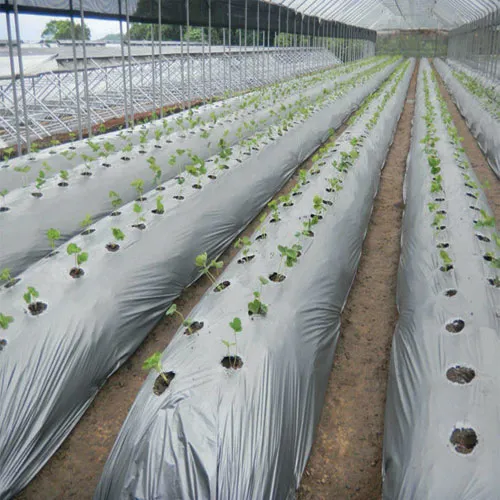
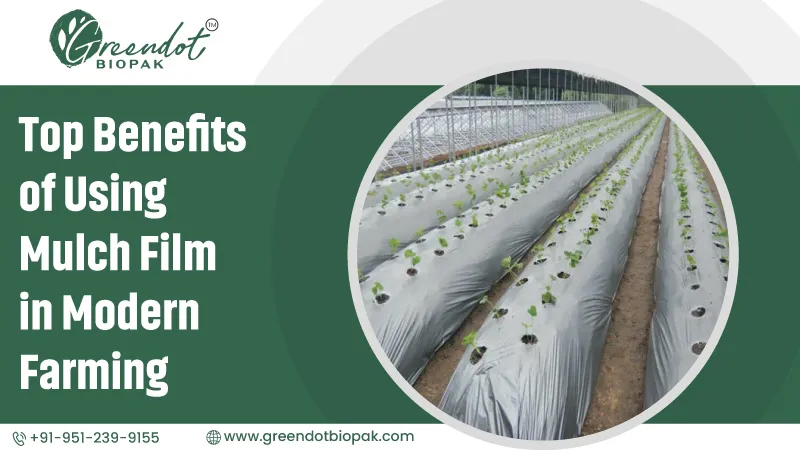
Mulch film is a thin layer placed over the soil to support plant growth and regulate soil conditions. It helps farmers control weeds, improve moisture retention, prevent soil erosion, and promote faster crop growth. In modern agriculture—where efficiency, soil health, and sustainability matter—mulch film has become a crucial tool.
Traditional multiple films made from plastic often lead to waste accumulation in fields, soil contamination, and disposal challenges. With increased awareness about environmental protection, compostable mulch films have emerged as a smarter solution. These films degrade naturally without leaving harmful residues, making them a better fit for sustainable farming.
How Compostable Mulch Film Works in Modern Farming
Natural Breakdown Process
Compostable mulch-film is designed to break down through natural microbial activity after serving its purpose in the field. Instead of removing the film after harvest, farmers can allow it to degrade into the soil. This reduces labor costs, minimizes waste, and enhances soil structure.
Cleaner Alternative to Plastic
Unlike traditional polyethylene mulch, which requires labor-intensive removal and disposal, compostable mulch-film offers a cleaner and safer alternative. By using materials that naturally decompose, farmers get all the agricultural advantages of mulch while promoting long-term soil health.
Versatility Across Multiple Crops
One of the strongest benefits of compostable mulch-film is its adaptability. It is used across a wide range of crops including:
- Vegetables like tomatoes, cucumbers, and peppers
- Fruits like strawberries and melons
- Ornamental plants
- Herbs and leafy greens
- Field crops needing moisture retention
Soil Health Enhancement
Compostable mulch-film also supports efficient soil management. Whether used in small-scale or large-scale farms, it simplifies post-harvest cleanup, improves soil organic matter, and reduces long-term degradation. Its practicality makes waste handling safer, cleaner, and more organized.
Top Benefits of Using Mulch Film in Modern Farming
- Better Weed Control: Weed growth competes with crops for nutrients, sunlight, and water. Compostable mulch-film covers the soil surface, limiting the amount of sunlight reaching weed seeds. By suppressing unwanted plant growth, farmers can reduce chemical herbicide usage and achieve healthier crops.
- Improved Soil Moisture Retention: Water scarcity is a common challenge in many farming regions. Mulch-film helps retain soil moisture by reducing evaporation. This allows crops to receive consistent hydration, which improves growth rates and lowers the frequency of irrigation.
- Enhanced Temperature Regulation: Temperature control is essential for germination and healthy crop development. Compostable mulch-film creates a protective layer that warms the soil during cooler seasons and moderates excessive heat during warmer months. This balanced temperature environment supports crop uniformity and faster growth cycles.
- Reduced Soil Erosion: Soil erosion poses a serious risk to farming and crop yields. Mulch-film keeps soil particles in place during heavy wind or rain. By stabilizing the soil surface, it protects valuable nutrients and reduces long-term degradation.
- Higher Crop Yield and Better Quality: Studies show that mulched fields often produce healthier and more uniform crops. By supporting moisture retention, weed suppression, and temperature stability, compostable mulch-film boosts overall yield. Farmers benefit from better market value due to enhanced crop quality.
Why Choose Us
Greendot Biopak stands out because we are committed to providing agricultural products that support sustainability without compromising performance. Our compostable mulch-film helps farmers improve crop quality, maintain soil health, and reduce plastic waste. We focus on delivering reliable, eco-conscious solutions backed by high-quality materials and advanced production methods. With a mission to promote clean farming, Greendot Biopak consistently works toward developing products that support efficient, safe, and environmentally friendly agricultural practices.
Conclusion
Mulch-film has become an essential tool in modern farming, helping producers maintain soil health, improve water efficiency, enhance crop quality, and support sustainable agriculture. Compostable Mulch film offers all the benefits of traditional Mulch without contributing to long-term environmental problems. By choosing compostable options, farmers reduce waste and promote healthier soil conditions while enjoying strong performance throughout the crop cycle. Greendot Biopak continues to support farmers by offering high-quality mulch-film designed for modern agricultural needs. Choosing compostable solutions today helps create a cleaner, greener, and more productive farming future for the next generation.
For more details on mulch film contact us at +91 95123 99155 or email info@greendotbiopak.com.
Key Takeaways
- Compostable mulch-film improves crop quality, soil health, and long-term farm sustainability.
- It reduces water loss, promotes consistent soil temperature, and supports better plant growth.
- Compostable mulch-film eliminates plastic waste issues found in traditional farming.
- Greendot Biopak provides reliable, durable, eco-friendly mulch-film for modern agriculture.
- Using compostable mulch-film contributes to greener farming while achieving higher crop yields.